HM-KNUST Low Vision Project Hosts Maiden West African Regional Workshop, Calls for Expanded Access to Care
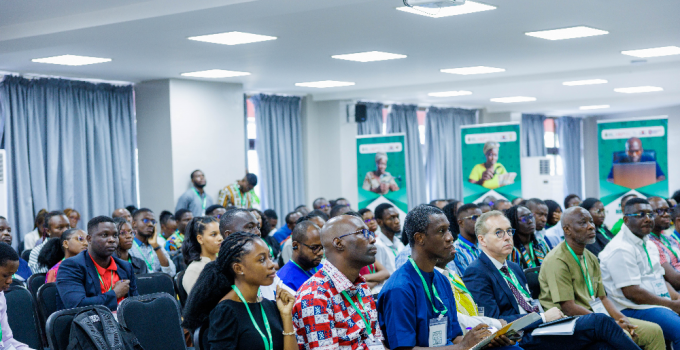
The HM-KNUST Low Vision Project has hosted the maiden West African Regional Low Vision Workshop, bringing together clinicians, researchers, educators and policymakers to strengthen rehabilitation services for people living with visual impairment across the region.
The workshop was organised in collaboration with Hochschule München University of Applied Sciences, with funding support from the Else Kröner-Fresenius-Stiftung.
The regional gathering forms part of a broader initiative aimed at providing comprehensive eye care solutions for individuals with visual impairments in sub-Saharan Africa.
The project integrates training, research and clinical practice, and has established primary, secondary and tertiary low vision centres offering specialised rehabilitation and support services in Ghana.
The workshop also sought to advance clinical excellence, interdisciplinary collaboration and evidence-based practice, while highlighting strategies to scale sustainable, patient-centred low vision services nationwide and across West Africa.
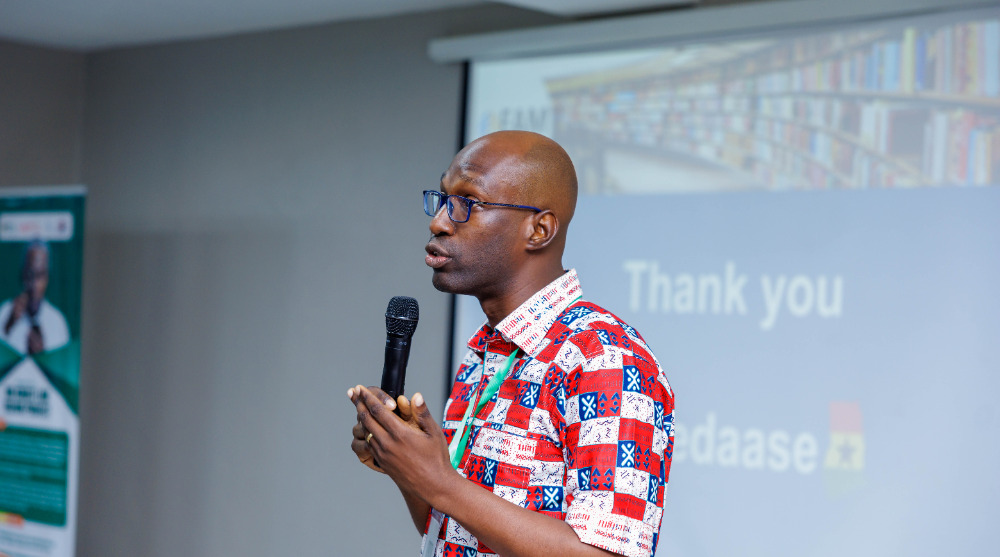
Speaking at the opening, Dr. Kwadwo Owusu Akuffo, Principal Investigator of the Project and Senior Lecturer at the Department of Optometry and Visual Science, described the initiative as a model rooted in global best practice.
He said the project draws inspiration from the World Health Organization’s low vision and rehabilitation framework, which promotes an integrated, tiered system linking tertiary, secondary and primary centres to ensure accessible and comprehensive care.
“The HM-KNUST Low Vision Project has demonstrated what is possible through collaboration, commitment and a shared vision,” he said, noting that the network of centres established under the initiative has significantly improved access to services for persons with irreversible vision impairment.
He added that the project’s innovative online learning platform ensures continuous capacity building for eye care professionals, helping to bridge gaps in service delivery and strengthen Ghana’s eye health system.
Dr. Owusu Akuffo expressed gratitude to the Else Kröner-Fresenius-Stiftung for its financial support and commended institutional partners, professional bodies and health facilities that have contributed to the project’s implementation.
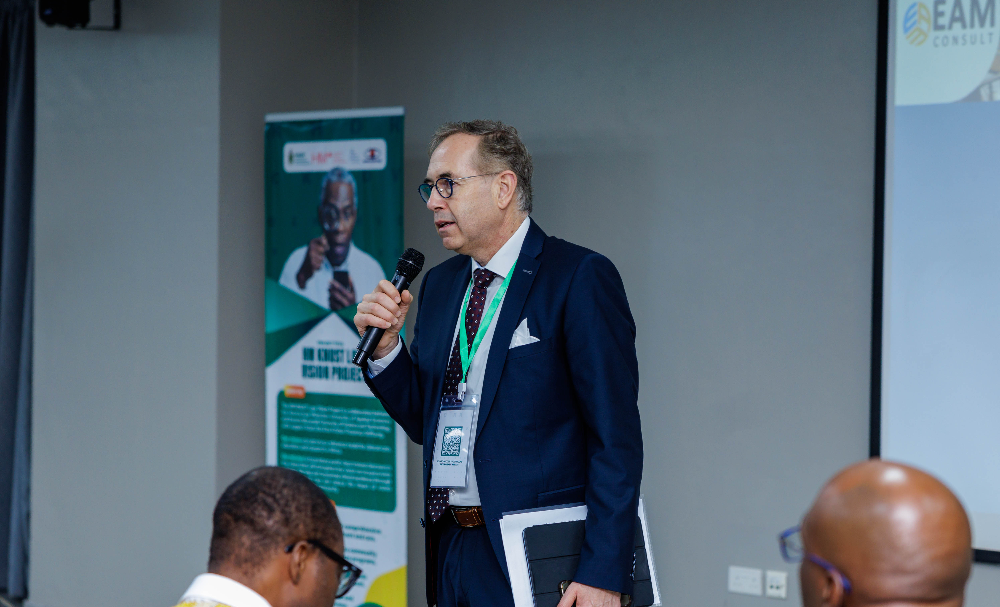
The Head of the Department of Optometry and Visual Science, Professor Mohammed Abdul-Kabir, underscored the need for tangible outcomes.
“One of the goals of the HM Low Vision Project is to improve access to comprehensive low vision assessment and care. If by the end of the project that is not achieved, then we have not met our objective,” he said.
He urged participants to apply lessons from the workshop within their respective institutions and called for sustained collaboration beyond the event.
“We must resolve to learn, return to our centres and make a meaningful impact in low vision assessment and care,” he added.
Co-principal investigator of the project, Professor Werner Eisenbarth, highlighted the importance of research collaboration among the established various low vision centres, noting that data generated through joint studies would help strengthen eye care structures and inform national health policy.
He said continued implementation of the project could see approximately 400 patients receiving low vision care annually, while about 100 students would be trained each year.
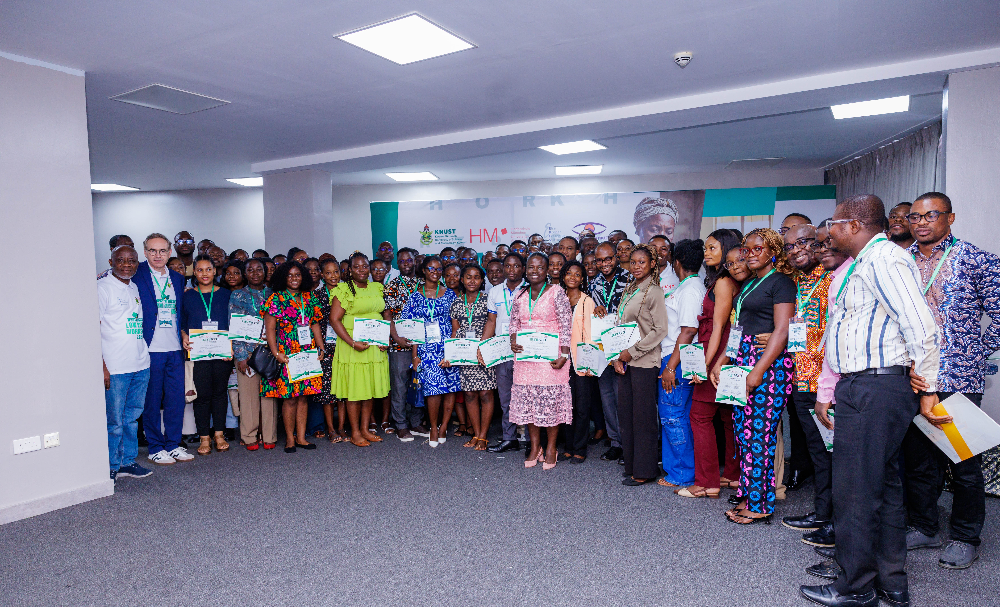
“With these activities, we can raise awareness that low vision is not an unsolvable situation. Together, we must develop patient-oriented services in Ghana and across Africa,” he said.
Presentations were received by representatives from the Eye Care Secretariat of Ghana, the Ghana Optometric Association, the Opticians Association of Ghana and other stakeholders in the eye care sector.